
Napa · Sauna Builder Services
Cold Plunge Install
Chilled plunge tubs for homes, gyms and inns, installed with the right chiller, filtration for hard well water, a dedicated circuit and a level base, indoors or next to your sauna.
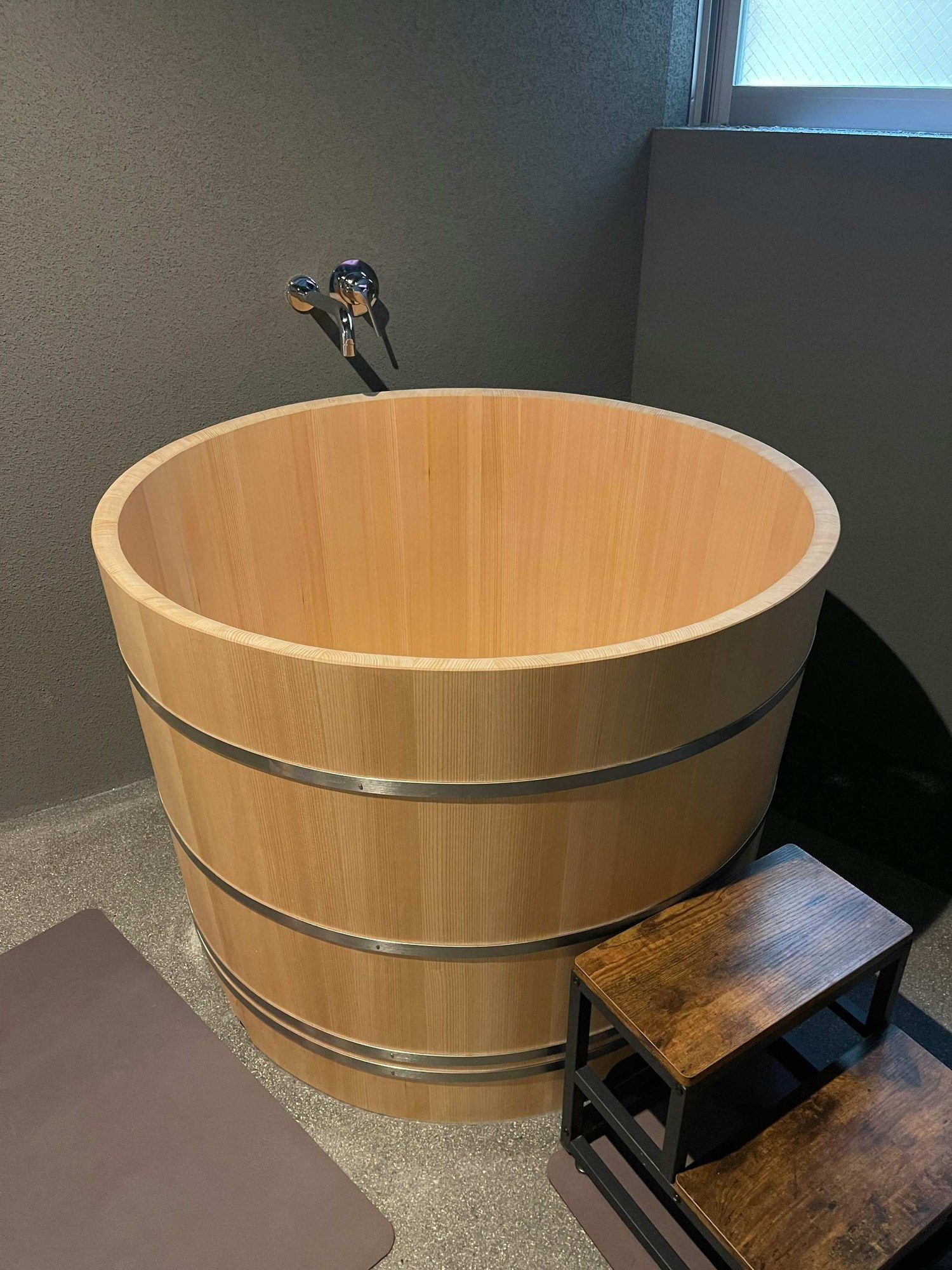
Cold water whenever you want it
A cold plunge is a tub held somewhere between 38 and 60 degrees by a refrigeration unit, with a pump and filter keeping the water clear. We install packaged units from Plunge, BlueCube and similar makers, cedar and stainless tubs of our own build, and stand-alone Penguin Chillers paired with a tub you already own.
The valley makes a strong case for one. July and August afternoons in St. Helena and Calistoga regularly pass 100 degrees, and a plunge after a sauna round or a long day among the vines is the piece of equipment many of our clients use most. Chillers work hard in that heat, so we put them in shade with room to breathe, and we plan around hard well water that would otherwise crust the coil within a season.
Plunges come up in hospitality work too, and our commercial saunas jobs often include one for a spa or gym. At home, a plunge sits well beside custom saunas planned around a hot and cold circuit, or next to one of the barrel saunas we set on garden decks.
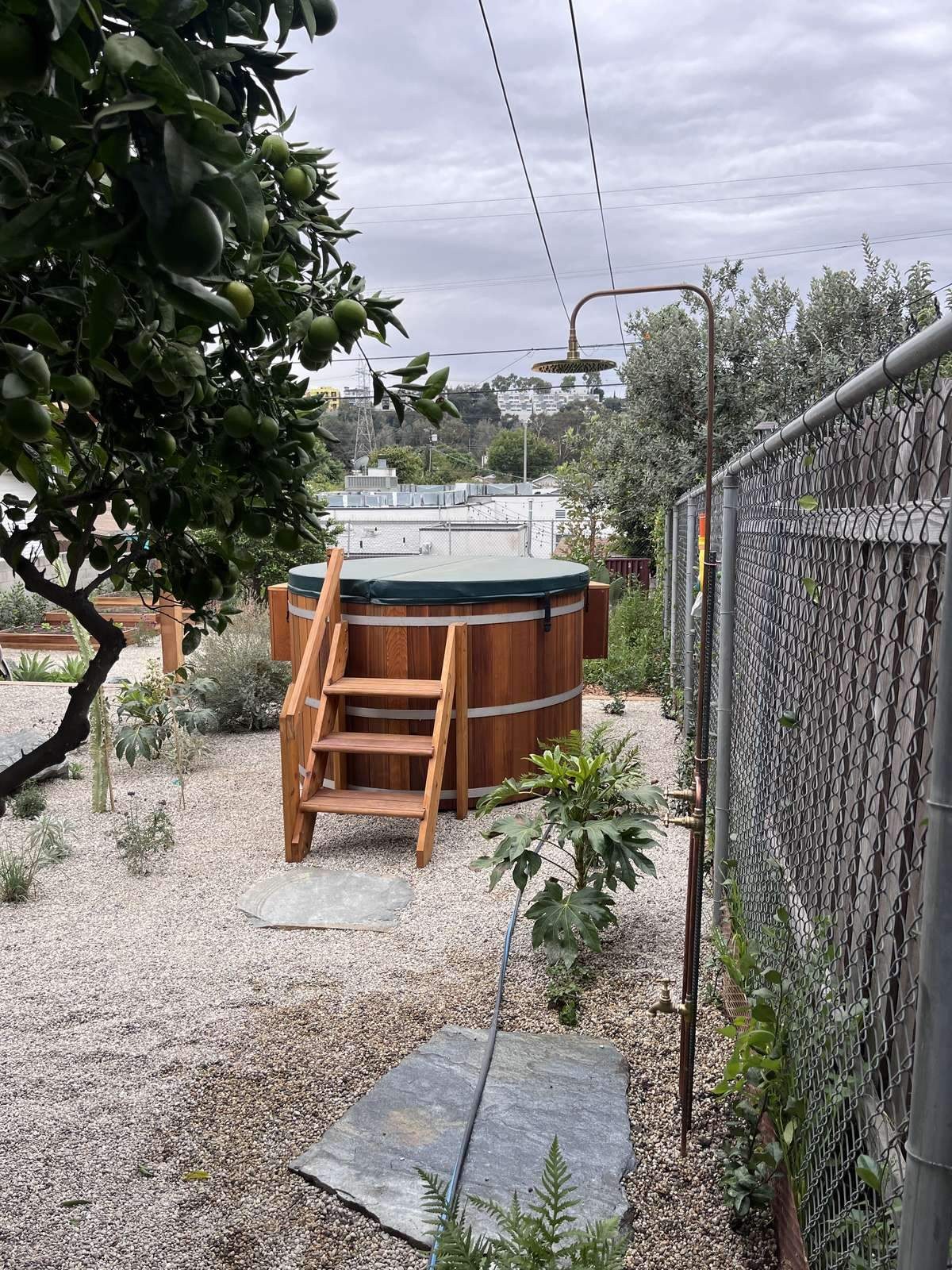
Why have our crew set up your plunge
A plunge looks like a simple box of water, yet shortcuts show up fast. An undersized chiller runs all day in August, a poor drain floods the deck, and a shared circuit trips every evening. As a Finnish sauna builder that installs plenty of hot and cold setups, we treat the plunge as one part of the whole circuit.
- We size the chiller for the tub volume and for up-valley summer heat, with margin left over.
- We run a dedicated GFCI-protected circuit matched to the chiller and pump.
- We test well water and add prefiltration or scale control where the results call for it.
- We set the tub level on a pad or reinforced deck with a planned drain route.
- We place the chiller where its hum and warm exhaust will not bother you or the neighbors.
- We show you how to clean, sanitize and swap filters before we leave.
Signs a plunge belongs on your property
These are the reasons Napa County clients give most often when they call us about a cold tub.
You already own a sauna
Alternating hot and cold is why many people build a sauna in the first place. A plunge a few steps from the door turns an occasional session into a habit, and the room earns more of what it cost.
Summer heat keeps you indoors
When the thermometer in Calistoga reads 104, two minutes in cold water drops your core temperature quickly. Several owners have told us they use the plunge more in July than the sauna itself.
You train hard or work physically
Runners, cyclists who ride the Silverado Trail, and people who spend the day on a ladder or in a vineyard all use cold water for recovery. A unit at home saves the drive to a gym in Napa.
The ice bath routine has grown old
Hauling bags of ice and filling a stock tank gets tiresome within a month. A chilled, filtered plunge waits at the same temperature every morning with no trip to the store.
You host guests
Inns, vacation rentals and winery hospitality suites are adding plunges to their spa areas. Visitors now expect one next to a sauna, and we build them to take daily use from strangers.
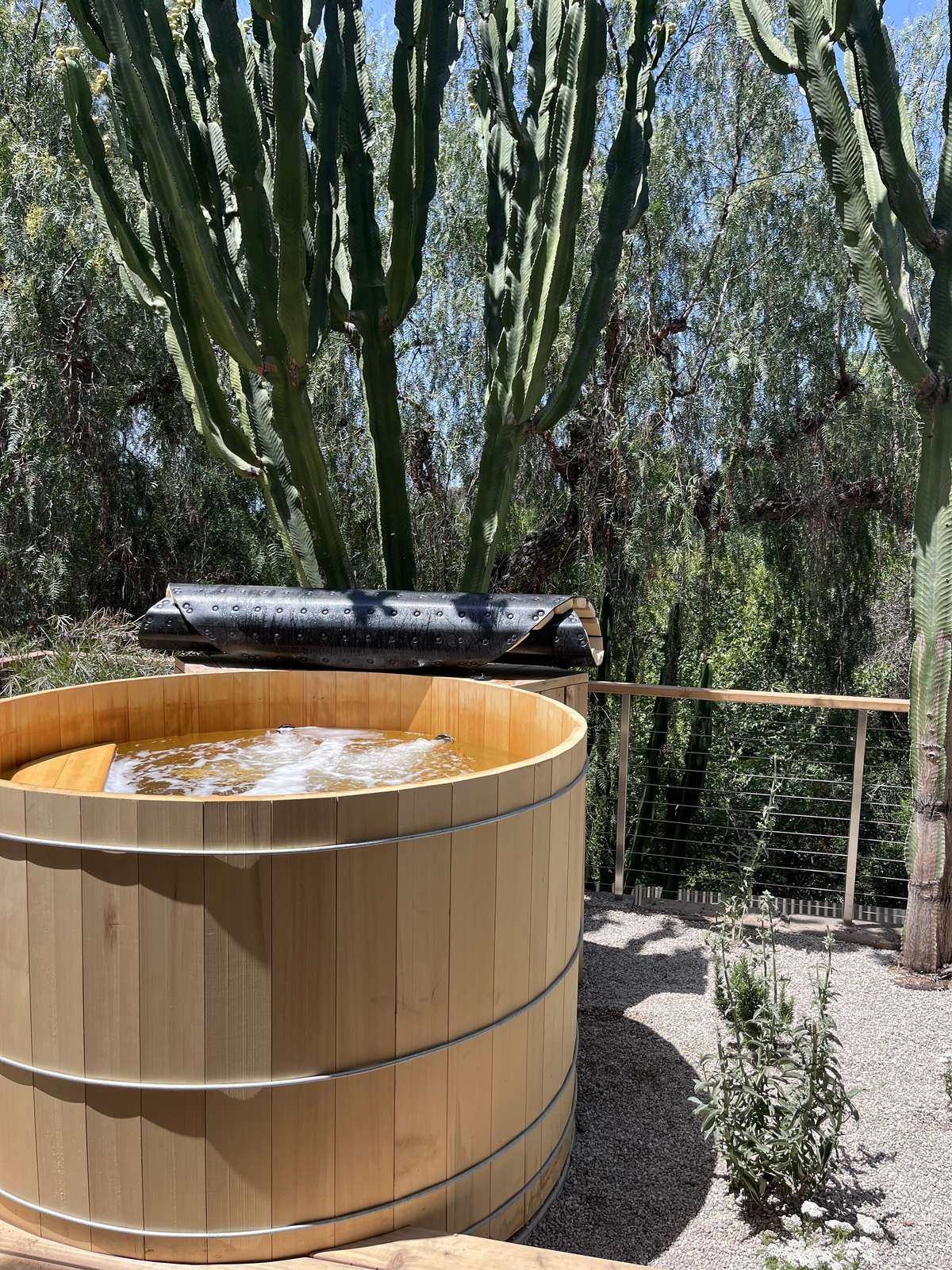
How a plunge installation runs
Site visit
We measure the spot, check access, confirm panel capacity and take a water sample. We also note shade, because a chiller in full afternoon sun works far harder and wears out sooner.
Equipment choice and quote
We recommend a tub and chiller pairing for your volume, climate and budget, then give you a fixed written price that covers base, electrical and drainage.
Base, power and plumbing
We pour a pad or strengthen the deck, run the circuit and set up the drain. For indoor plunges we add waterproofing and a floor drain.
Startup
We fill the tub, start the chiller, dose the sanitizer and log the temperature over a full day. Then we go over filters, water changes and winter settings with you.
Plunge components worth understanding
A plunge is only as good as the equipment behind it. These are the choices that make the biggest difference.
Chillers
Penguin Chillers makes units from a quarter to one horsepower for tubs of different sizes. Packaged plunges from Plunge and BlueCube put the chiller, pump and filter in a single cabinet.
Tub materials
Stainless steel and acrylic are easy to sanitize. Cedar looks right beside a wood sauna, though it takes more care to keep clean. An insulated shell cuts chiller run time noticeably.
Filtration
Cartridge filters catch debris, and ozone or UV reduces how much chemical you need. Where the well water is hard, a scale inhibitor on the fill line protects the chiller coil.
Covers
An insulated lid keeps cold in and sun, leaves and pollen out. Cedar tub covers suit wooden plunges, and vinyl-wrapped lids suit acrylic and steel.
Placement and noise
Chillers hum and push warm air. We keep them a few feet from bedroom windows and property lines and leave room for a technician to reach the service panel.
Steps and handholds
A cedar step and a grab rail make getting in and out safer, particularly with wet feet on a frosty January morning.
What a cold plunge costs to put in
Home plunges in the valley typically run from about six thousand dollars for a packaged unit on an existing pad to twenty-five thousand or more for a built-in tub with a separate chiller and new electrical. The main variables:
- A packaged unit versus a separate tub and chiller.
- Chiller capacity for the tub volume and inland summer heat.
- Electrical work, including any panel upgrade.
- A pad, deck reinforcement or indoor waterproofing.
- Water treatment for mineral-heavy well water.
- Covers, steps and finish materials.
We price the whole job, base through startup, in a single written quote. If you want a plunge and a sauna together, we plan both on one site visit so the electrical and drainage get laid out once.
Frequently Asked Questions
What should I look for when purchasing a backyard cold plunge?
Start with the chiller. Its capacity should fit the tub volume and a hot inland climate, since a unit that copes on the coast can struggle in Calistoga. After that, check filtration, how easy it is to drain and clean, whether the shell is insulated, lid quality, noise and the warranty. Find out what power it needs before you order.
What electrical service does a cold plunge need?
Most home chillers run on a dedicated 120V circuit at 15 or 20 amps, and larger units need 240V. Every one of them needs GFCI protection. We look at your panel and run the circuit to code.
How cold should a plunge be?
Our clients mostly land in the 45 to 55 degree band. Newcomers often start closer to 60 and work down. Colder settings are possible, but they shorten how long you can stay in and add load on the chiller during summer.
How long does plunge water last between refills?
With a good filter and sanitizer, every one to three months for a home plunge. Hard well water can shorten that because minerals build up. Busy commercial plunges need more frequent changes and a daily water test.
Can a cold plunge go indoors?
Yes, in a garage, spa room or basement with a floor drain and waterproofing. The chiller has to shed heat somewhere, so it may sit in another room or outside with lines run through the wall.
See all FAQs on our FAQ page.
Planning cold plunge install in Napa?
Describe the space you have in mind and we will send a free written estimate with no obligation attached. Use the form or give us a call, and we will help you sort out what suits your site, your electrical service and your budget.
Or call us now: 707-723-1361