
Napa · Sauna Builder Services
Traditional Saunas
Finnish-style hot rooms with stone-filled electric or wood-burning heaters, cedar or hemlock paneling and benches set high enough to catch real heat when water hits the rocks.
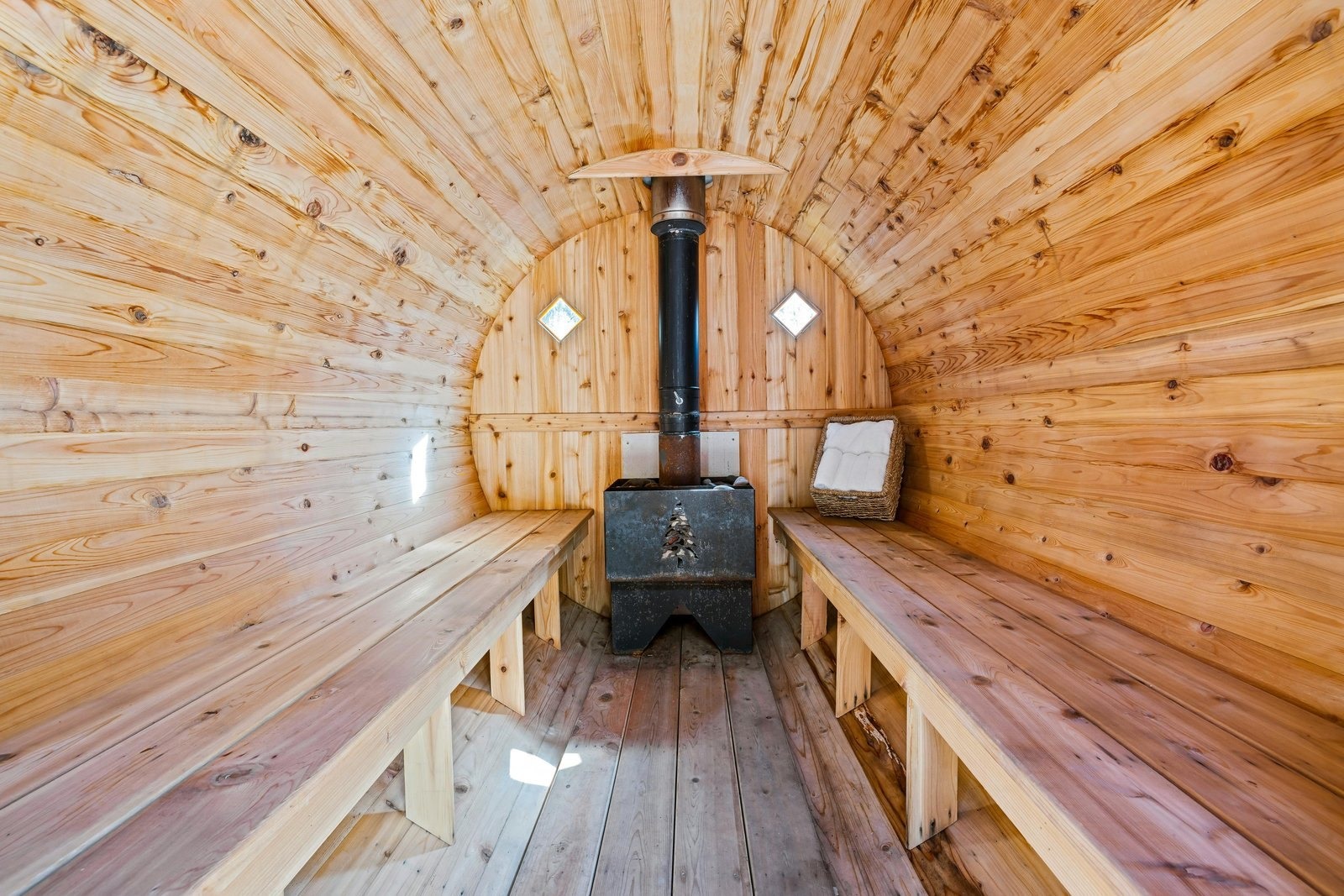
The Finnish room, built for Napa homes
A traditional sauna heats the air to between 170 and 195 degrees over a mass of stones. Ladle water onto those stones and a wave of steam, called loyly in Finland, rolls across the upper bench. That cycle of dry heat and soft steam is what most people picture when they think of a sauna, and it is the style we build most often. We fit electric heaters from Harvia, Huum and Saunum, and wood-burning stoves from Kuuma and Harvia for owners who want fire.
Getting loyly right depends on the room more than the heater. Ceiling height, bench height, stone mass and the position of the vents all change how the steam moves. We set the top bench so your head sits in the hottest layer and your feet are not left cold, and we pick stones that hold heat through a long evening. On properties in Calistoga and Angwin, where outages are common in fire season, a wood-fired stove keeps the sauna usable when the grid is down, as long as you follow the burn rules in force.
The steam from a stone heater is light and short-lived. Owners who want a room full of wet vapor should look at our steam saunas. Many traditional rooms end up beside a soaking tub, and we handle cedar tub install on the same project. If you are still weighing layout and materials, a session on custom sauna design helps settle them before construction.
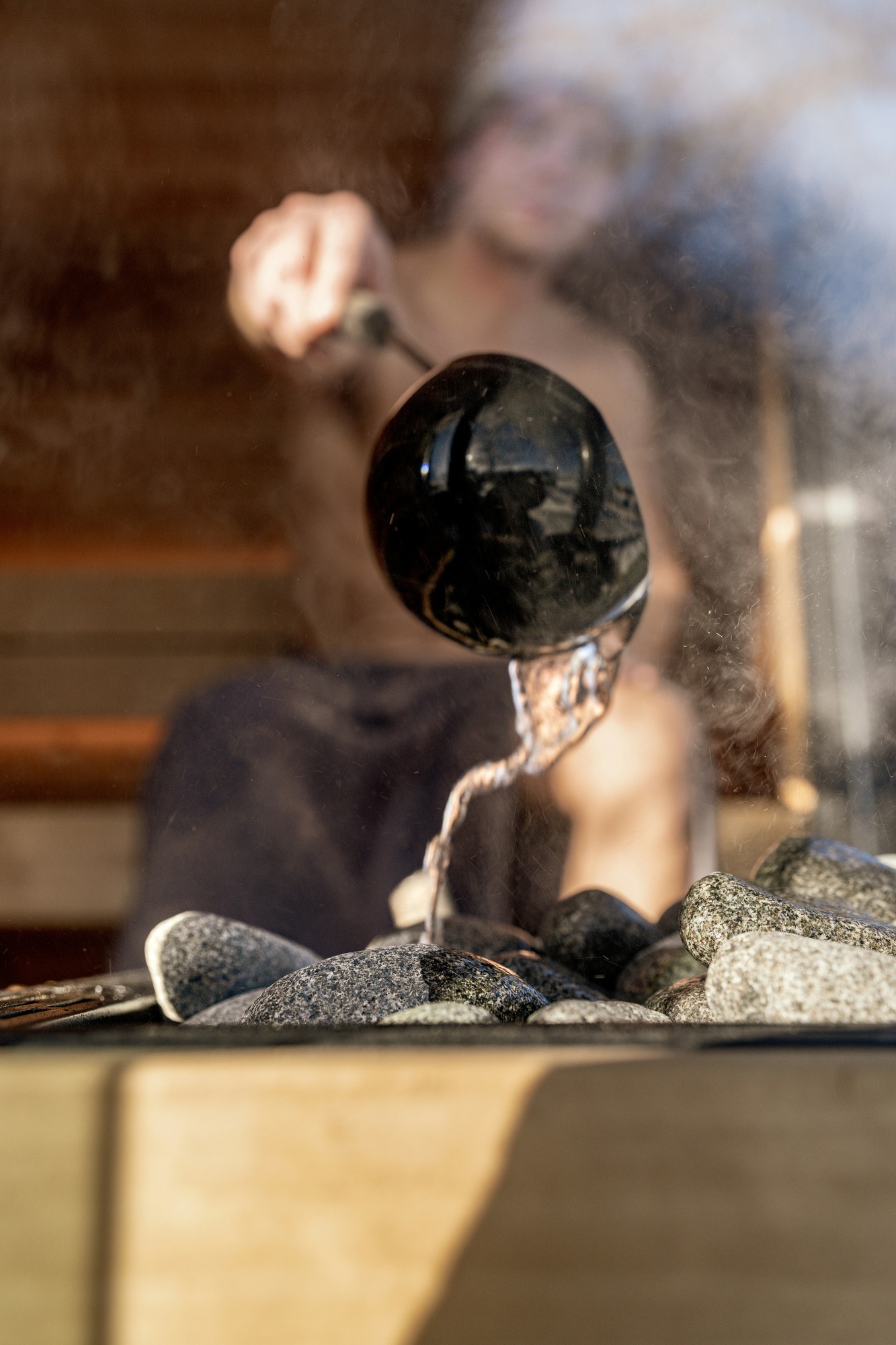
How we build a proper hot room
We have been building Finnish rooms for over a decade, and we have spent plenty of time sitting in them to learn what works. Our licensed, insured crew handles framing, electrical, stove installation and finish carpentry without handing off to strangers. Anyone interested in the wider business can learn about our Finnish sauna builders and how we take on projects.
- We size heaters for the real volume, adding for glass and cold walls.
- We set the upper bench at the height that gives the best loyly.
- We install wood-burning stoves with listed clearances and spark arrestors.
- We use igneous stones that do not crack under repeated steaming.
- We anchor stoves and heaters for seismic loads.
- We explain burn rules and PG&E outage use for wood-fired rooms.
Why many owners pick the classic style
Traditional rooms remain the favorite for good reason. These are the most common motivations we hear.
You want high heat and steam on demand
A stone heater lets you choose between a dry 190-degree session and a softer, humid one by how much water you throw. No other heat type gives that range.
You like the ritual
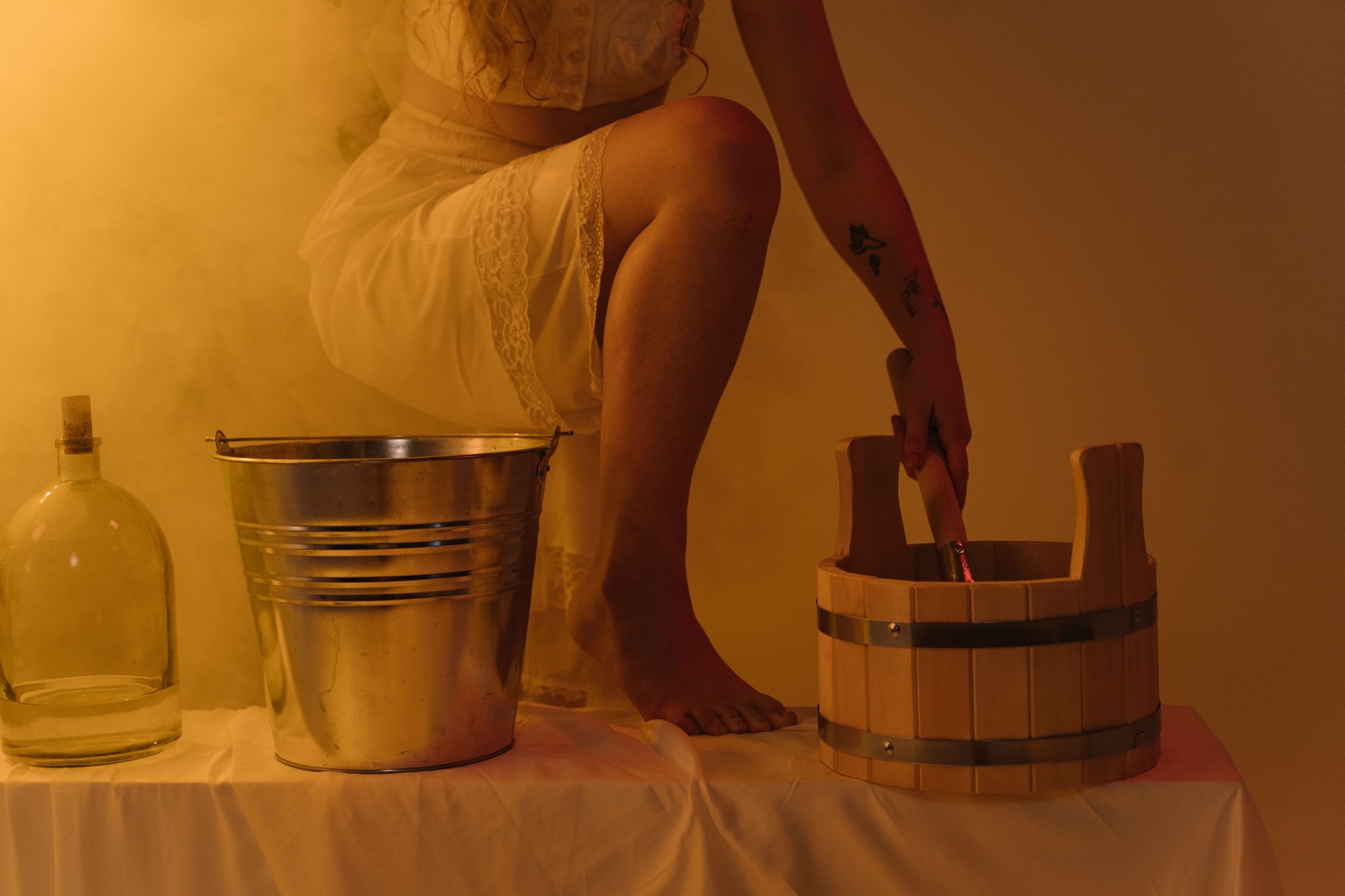
Filling the bucket, adding a few drops of birch oil and ladling water onto the rocks is a big part of the experience. Many owners say it is the reason they built the room.
You want heat through an outage
Public Safety Power Shutoffs are common up-valley in autumn. A wood-burning stove still heats the room, and we detail the flue and clearances to meet code in fire zones.
You plan to cold plunge between rounds
The contrast of a hot Finnish room and a cold tub or shower is the classic Nordic routine. A traditional heater recovers quickly between rounds.
You want the room to last
Stone heaters have few electronic parts, and a well-built cedar room can run for decades with basic care and the occasional new set of stones.
Building a Finnish room step by step
Consultation
We discuss electric versus wood-fired heat, check power or flue routes and measure the room for heater sizing.
Framing and services
We frame or prepare the walls, insulate, fit the vapor barrier and run the circuit or install the chimney and heat shields.
Interior carpentry
Paneling, benches and backrests are installed, the heater is mounted and anchored, and the stones are stacked loosely so air moves through them.
First fire
We cure the heater, check temperatures at bench level and show you how to use the vents and add steam.
Inside a well-made Finnish room
A traditional sauna relies on a few important details. Here is how we handle them.
Heaters and stones
Electric heaters with a deep stone basket, or wood-burning stoves with external or internal feed. We use dense olivine or peridotite stones that hold heat and resist cracking.
Types of wood
Clear cedar and hemlock for walls and ceilings, with abachi or aspen on the bench tops where lower surface heat is kinder to bare skin.
Ventilation for loyly
Fresh air enters near or under the heater and leaves through a high or low exhaust on the far wall, keeping oxygen levels up and steam moving.
Bucket, ladle and thermometer
Wooden or copper buckets, long-handled ladles, and a thermometer and hygrometer placed at head height so you can read the real conditions.
Doors and lighting
Insulated cedar or tempered glass doors that open outward, and warm, low-level lighting behind the backrests to keep the room calm.
Scent and sound
An oil cup for eucalyptus or pine and heat-rated speakers for owners who want music, placed away from the heater.
Traditional sauna price ranges
A traditional room in the Napa area usually costs between ten thousand dollars for a small indoor build and forty-five thousand for a large wood-fired cabin. Costs depend on:
- Room size and ceiling height.
- Electric heater versus wood-burning stove and chimney.
- Wood species and bench design.
- Electrical upgrades if the panel is short on capacity.
- Fire-zone detailing and permit requirements.
- Accessories and lighting.
After a free visit we send a fixed quote. The quote lists every part by name so you can compare it line by line with any other offer you receive.
Frequently Asked Questions
Which brands provide eco-friendly sauna heaters and steam generators?
Huum and Saunum make efficient electric heaters that reach temperature quickly on modest power. Kuuma builds clean-burning wood stoves. For steam, Mr. Steam and ThermaSol offer units with eco modes that cut water and energy use.
Electric or wood-fired: which is better for Napa?
Electric is simpler in town and needs no flue. Wood-fired suits rural parcels and owners who want heat during a power shutoff, but it needs more clearance and a careful fire-zone review.
How hot does a traditional sauna get?
Most people run their rooms between 170 and 195 degrees at the upper bench. The heater and room size decide how quickly it gets there.
How often should sauna stones be replaced?
Check and restack them once a year and replace any that have crumbled. Heavy users often replace the full set every two to three years.
Can I pour water on an electric heater?
Yes, if the heater is designed for it, which most traditional models are. Pour small amounts onto the stones and never directly onto the elements.
See all FAQs on our FAQ page.
Planning traditional saunas in Napa?
Describe the space you have in mind and we will send a free written estimate with no obligation attached. Use the form or give us a call, and we will help you sort out what suits your site, your electrical service and your budget.
Or call us now: 707-723-1361